VoIP security: everything you need to know before implement
Experts believe that security issues are currently the biggest challenge associated with the implementation of VoIP. Below, we briefly describe the threats and how to secure your VoIP infrastructure against them.
1. Vishing
Vishing is an abbreviation of VoIP Phishing. This is a scam involving the impersonation of a caller from a trusted institution (e.g. bank) or person (IT administrator). The caller tries to extract confidential information from the individual they are talking to. However, many companies now educate their employees to make them aware of threats such as Vishing. Because these attacks take advantage of human weaknesses rather than technology gaps, it's usually enough to be aware of these types of threats to defend against them.
2. Theft of service
An example of service theft is phreaking. This attack involves stealing the service offered by the provider or using the service and shifting its costs to someone else. Encryption is not widely used in SIP deployments (this is a connection protocol that controls the authentication of VoIP connections), so user credentials are relatively easy to get.
3. Man-in-the-middle attacks
VoIP connections are vulnerable to man-in-the-middle attacks, where the attacker intercepts and manipulates SIP signal communication in such a way as to become an intermediary between the caller and the interlocutor. This allows the attacker to eavesdrop on private conversations.
4. Snooping
Because VoIP calls are sometimes sent over a public network (Internet), they are susceptible to eavesdropping. An attacker with access to the network can use packet capture tools (so-called sniffers) and record conversations. Even when companies use their network backbone, this threat should still be taken into account.
Securing your software
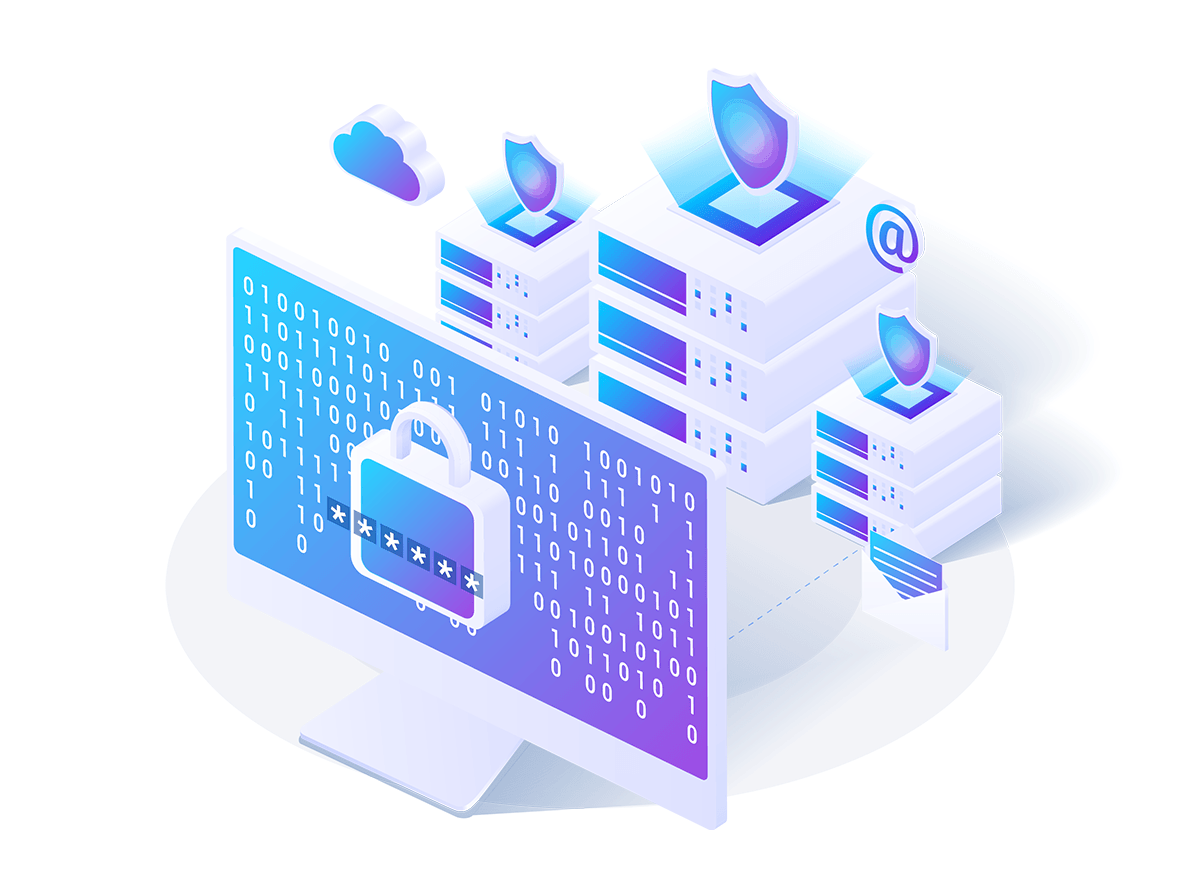
The first step should be to prevent unauthorized access to your network. It is also worth thinking about moving all your VoIP communication to VPN tunnels which will isolate it from external attacks. V3PN (voice and video-enabled VPN) technology, embedded in many routers and security devices, encrypts voice and data transmission using IPsec or the Advanced Encryption Standard (AES) algorithm. Encryption is done in the hardware, so it doesn't affect performance.
Many experts also recommend isolating VoIP communications in a single VLAN. Thanks to this, voice communication will be invisible to users of the data transfer network, creating an additional layer of security. This technique can also limit the area of damage in the event of an attack. Also, creating a VLAN makes it easier to give VoIP traffic a higher priority than data transmission.
Connection security
In addition to encrypting VoIP conversations, you should also think about encrypting signal communications (e.g. SIP) to prevent the interception of calls. Installing multiple layers of encryption requires enabling the TLS (Transport Level Security) protocol, which will encrypt the entire VoIP connection process. SRTP (Secure Real-Time Protocol) is also useful, encrypting communication between end devices.
Constant supervision
Finally, VoIP security requires constant supervision. This includes monitoring the network for suspicious events as well as managing the operating system and VoIP applications. Remember to install security patches as soon as they become available. Consider using an operating system that has been strengthened to protect against hacker attacks. It is also important to disable operating system services that are not necessary.
Check more details -> Cloud based phone system for small business