BT Copper to Fibre Switch: A Simple Guide for UK Businesses
The BT copper to fibre switch is a nationwide change that affects how UK businesses use broadband and phone lines. Old copper cables are being retired and replaced with fibre connections that support internet-based calling and faster data access.
Every organisation still using copper lines will need to move before the final shutdown date in January 2027. Ignoring the change can lead to service loss, missed calls, or disruption during working hours.
After helping UK businesses move from older phone lines to modern systems, we built this guide based on the questions firms ask most and the issues we solve daily.
20+ years in UK Telecom | Last updated: 07th September 2026
Key Takeaways
Still using copper lines without knowing the risk could leave your business unreachable.
What Is the BT Copper to Fibre Switch?
The BT copper to fibre switch is the planned closure of the UK’s copper phone and broadband network. Services currently running on copper will move to full fibre and digital voice technology. This change is managed by Openreach, which maintains the national access network used by providers such as BT.
What Does "Copper Switch-Off" Mean?
Copper switch-off refers to the permanent shutdown of the traditional copper phone and broadband network used across the UK for decades. Once this process is complete, services that rely on copper wiring will no longer function, including standard landline calls and older broadband connections.
After the switch, all voice calls and internet traffic will run through fibre-based connections using digital technology. This means analogue landlines will only work if they are connected through an internet service, rather than directly into a wall socket.
The change is being delivered by Openreach, which maintains the national network used by providers such as BT. Every home and business still using copper services must move to a digital alternative before the final shutdown date to avoid loss of service.
Why BT Is Replacing Copper Lines?
The copper network was built for voice calls, not modern data use. As business reliance on cloud software, video meetings, and remote access has increased, copper lines can no longer meet performance or reliability needs.
Maintaining two parallel networks has also become inefficient. Copper infrastructure is more prone to faults, slower to repair, and increasingly expensive to support as materials age.
Fibre technology provides a long-term solution by delivering faster speeds, consistent performance, and better call stability. Moving to a single fibre-based network reduces outages, simplifies maintenance, and supports digital voice services that businesses now depend on daily.
Waiting for the final notice can limit options and increase downtime risk.
When Is the BT Switch From Copper to Fibre Happening?
The BT switch from copper to fibre is already taking place across the UK and follows a phased national rollout. Instead of changing all services at once, copper phone and broadband lines are being withdrawn gradually, starting in areas where fibre infrastructure is fully available.
In many locations, new copper-based services can no longer be ordered, and businesses still using copper lines are being prepared for migration. The final nationwide shutdown of the copper network is set for 31 January 2027, after which copper services will stop working completely.
For businesses, this makes the switch unavoidable. Planning before your local switch date helps prevent disruption and gives more control over how and when services are moved.
Key Dates UK Businesses Must Know
Copper stop-sell has already begun in selected UK exchanges, meaning new copper phone lines or copper broadband connections are no longer available in those areas.
Businesses with existing copper services are contacted individually and given a specific switch-over timeline based on location.
31 January 2027
The most important date marking the final closure of the copper network.
What Happens If You Do Nothing?
If no action is taken, phone services that rely on copper lines may stop working after the switch date. Broadband connections delivered over copper infrastructure can also fail once the network is withdrawn.
Businesses that leave the change until the last minute often face rushed installations, limited provider choice, and unexpected downtime. Early planning reduces risk and keeps business communications running without interruption.
Copper phone systems will cease to function once the network is withdrawn.
How does the BT Copper to Fibre Switch Work?
The BT copper to fibre switch follows a structured process designed to move services without disrupting day-to-day business operations. Rather than an instant cutover, the change is planned in advance, giving businesses time to prepare their broadband and phone systems.
How BT Notifies Customers?
Businesses are informed about the switch through an official letter or email. This notice confirms the planned switch-over day and explains what actions are required before the change takes place. The message also outlines whether new equipment will be delivered and if an engineer visit is needed. Switch dates vary depending on location and local network readiness.
Equipment You Will Receive
Before the switch, a fibre-compatible hub is usually sent to replace existing copper-based routers. In many cases, an Optical Network Terminal (ONT) is installed to connect the fibre line directly into the property. Older routers designed for copper broadband are no longer suitable and must be replaced. Using the new equipment ensures broadband and digital voice services work correctly after the switch.
Engineer Visit Explained
Some premises require a new fibre cable to be installed from the street into the building. When this is needed, an engineer completes the installation, connects the equipment, and checks that the service is working as expected. Most visits are completed within a few hours and are scheduled in advance. Not every property requires an engineer, particularly if fibre is already installed.
Will There Be Any Downtime?
When the new hub and equipment are set up correctly, downtime is unlikely. Service issues usually occur when old copper-based hardware remains connected after the switch. Testing equipment before the switch-over day significantly reduces risk.
Last-minute planning often causes rushed upgrades and service gaps.
How Does the Switch Affect Business Phone Systems?
The BT copper to fibre switch has the greatest impact on business phone systems because traditional calling relies entirely on copper lines. Once copper services are withdrawn, any phone system that depends on analogue connections will stop working.
After the switch, voice calls must run over an internet connection rather than a physical phone line. This makes digital calling the only long-term option for UK businesses that want to remain reachable.
Watch: still running a traditional phone system?
What happens to an on-premise phone system when the copper lines behind it are retired, and what a cloud phone system does differently once you move to fibre.
Still Using a Traditional Phone System, from The VoIP Shop on YouTube
What Happens to Traditional Landlines
Traditional landlines connected directly to copper sockets will no longer function after the copper network is shut down. Calls that once travelled through phone wiring will instead need to run through a broadband connection.
Businesses using analogue desk phones or older PBX systems will need to replace or adapt their hardware. Without this change, inbound and outbound calls may fail completely after the switch date.
Digital Voice and VoIP Explained Simply
Digital voice works by sending phone calls through the internet instead of copper cables. This method is commonly known as VoIP and is already widely used by UK businesses.
Digital voice works by sending phone calls through the internet instead of copper cables. This method is commonly known as VoIP and is already widely used by UK businesses. For businesses looking to combine calling, messaging, meetings and collaboration tools,
unified communications as a service (UCaaS) provides a broader cloud-based approach.
Devices That May Be Affected
Some business devices rely on phone lines rather than internet connections. This can include:
- Alarm systems
- Card payment terminals
- Door entry units
- Lift phones
Each device should be checked with its supplier to confirm compatibility with digital calling. Addressing this early avoids service failures after the switch.
What UK Businesses Should Do Before the Switch?
UK businesses still using copper services should prepare before their switch date to avoid disruption. Early planning gives more control over timing, equipment, and provider choice, rather than reacting under pressure.
1. Check Your Current Line Type
Many businesses are unaware whether their phone or broadband services still rely on copper. Checking the current line type confirms whether action is required before the switch. Service providers can verify this quickly by reviewing account details or line records.
2. Review Phone System Compatibility
Not all phone systems are compatible with fibre and digital calling. Older
PBX or
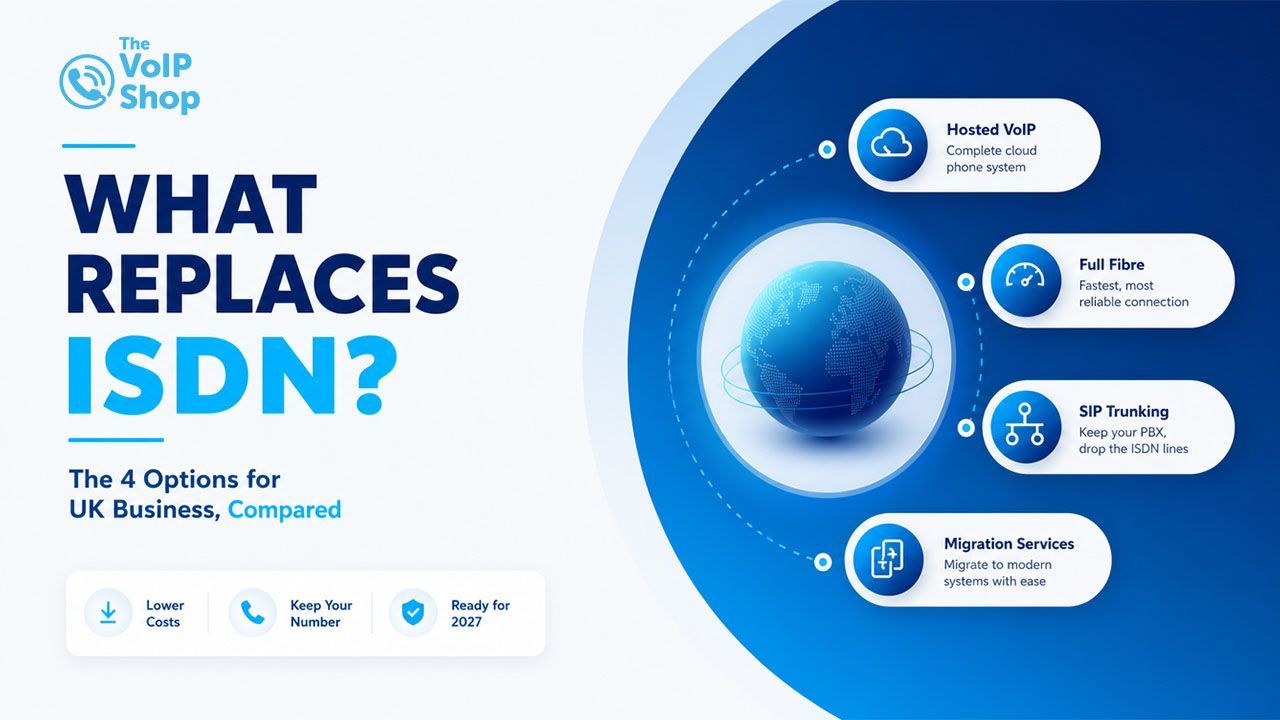
ISDN-based setups often depend on copper lines and may stop working after the switch. VoIP-ready platforms are designed to operate over broadband connections and support digital voice services. A compatibility review identifies whether existing equipment can be adapted or needs replacing.
3. Plan the Switch at the Right Time
Scheduling the switch outside peak business hours reduces the impact on daily operations. Staff should be informed in advance so they know what to expect on the switch-over day. Testing equipment before and after the change ensures calls and internet access work as expected.
Why Moving Early Is Better Than Waiting?
.For UK businesses, delaying the BT copper to fibre switch increases operational risk. Waiting until the final stages of the rollout limits available options and removes control over timing. Moving early allows businesses to plan the change around their own schedule rather than a forced deadline.
Risks of Last-Minute Migration
Benefits of Early Adoption
How The VoIP Shop Helps Businesses Move From Copper?
The VoIP Shop helps UK businesses move away from copper lines without disruption or uncertainty. With over 10 years of experience supporting business communications, our team understands the risks involved in the BT copper to fibre switch and how to manage them properly.
Organisations across the UK rely on The VoIP Shop for
cloud phone systems, backed by a 5-star Google rating, 24/7 UK-based support, and proven delivery across healthcare, retail, professional services, and SMEs. Every migration is handled with care to keep businesses reachable at all times.
End-to-End Support Explained
Each migration starts with a full review of your existing phone lines and broadband setup. This allows potential issues to be identified early, including legacy systems, number porting risks, or devices that rely on copper lines. Installation is managed by experienced engineers, with clear scheduling and minimal disruption.
Ongoing UK-Based Support
Support does not end once the switch is complete. The VoIP Shop provides 24/7 UK-based assistance, so help is always available if an issue arises. With dedicated account management and a strong service record, businesses gain confidence knowing their communications are monitored and supported long term.
Choosing the wrong provider can turn a simple switch into a major disruption.
Why people choose The VoIP Shop?
10+ years supporting UK communications
UK-based support team, available 24/7
Clear advice without technical confusion
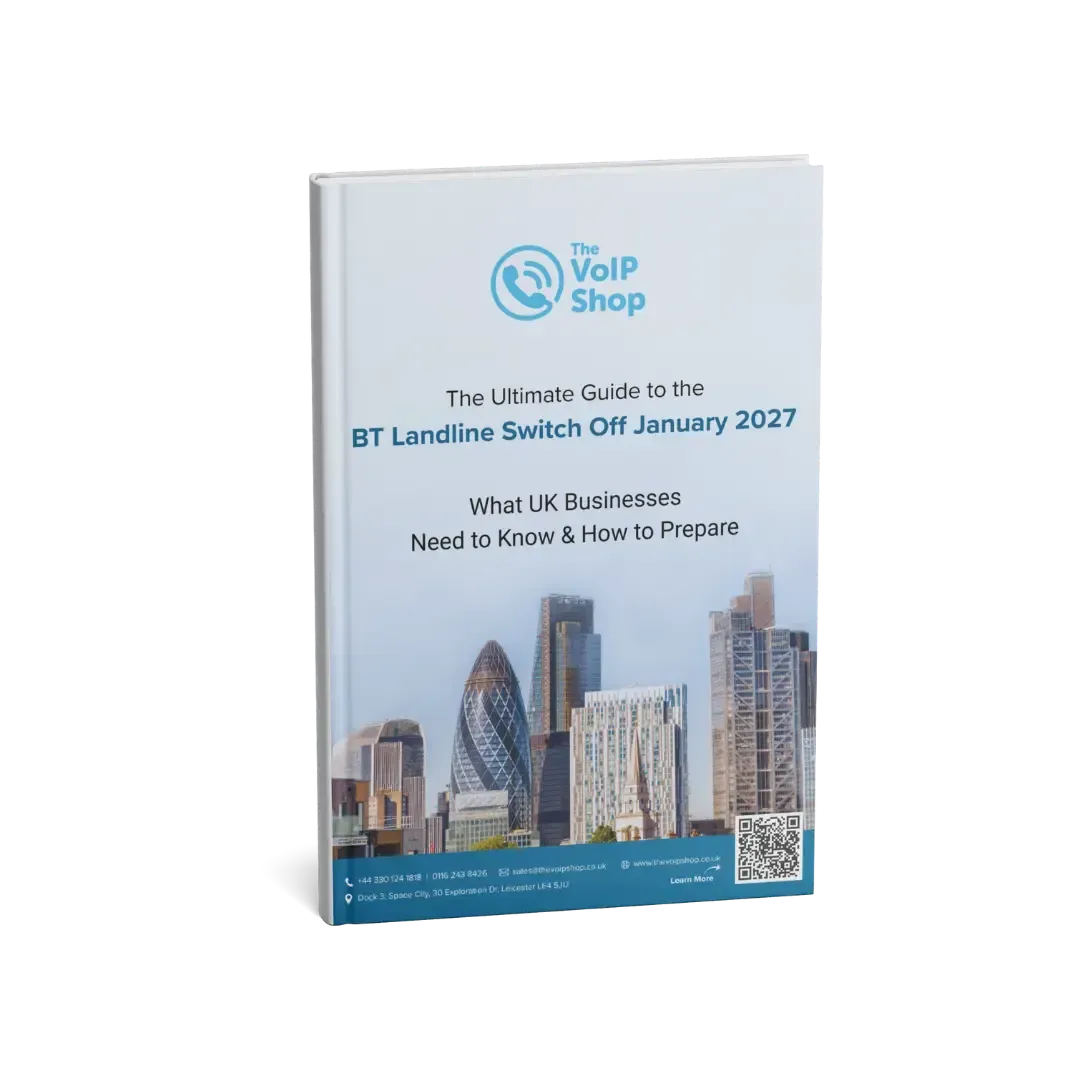
Are you prepared for THE BIG SWITCH OFF – January 2027
Read our Ultimate guide for businesses to prepare for the migration from legacy analogue and ISDN lines to a fully digital cloud phone system and lines.
- Free expert-written eBook covering the full BT landline switchover 2027 timeline
- Understand exactly how the landline to VoIP transition works
- Find out which devices (phones, alarms, lifts, card machines, fax lines) will be affected
- Step-by-step roadmap to upgrade without downtime or disruption
- Learn how VoIP improves reliability, flexibility, and business continuity
- Includes a practical migration checklist to keep your business fully prepared
- Designed for UK SMEs looking for a simple, clear guide to the BT landline switchover
Frequently Asked Questions about BT Copper to Fibre Switch
What is the BT copper to fibre switch?
The BT copper to fibre switch is the nationwide shutdown of copper phone and broadband lines across the UK, replacing them with full fibre connections and internet-based calling. This change affects both homes and businesses that still rely on copper services. All users must migrate before the final shutdown deadline.
When will BT switch off copper phone lines?
The UK copper network is scheduled to shut down completely on 31 January 2027. Some areas have already started phased withdrawal where copper services are no longer available. Customers are notified in advance of their local switch date.
Will my business phone stop working after the switch?
Business phones that rely on copper lines will stop working once the switch takes place. Calls will need to run over an internet connection instead of a physical phone line. A VoIP phone system ensures business calling continues without interruption.
Do I need a new phone system for fibre?
Many businesses will need VoIP-compatible phones after moving to fibre. Older analogue or ISDN systems often cannot support digital calling. A compatibility check confirms whether existing equipment can be reused or needs replacing.
Will alarms or payment terminals still work?
Some alarms, card machines, and entry systems rely on traditional phone lines. These devices should be checked with the supplier before the switch. If they are not compatible, digital alternatives are available.
Is the BT copper to fibre switch mandatory?
Yes, the switch is mandatory and there is no option to remain on copper services. The copper network will be fully withdrawn nationwide. All users must move to fibre-based digital alternatives.
Can I switch before BT contacts me?
Businesses do not need to wait for BT to make contact before switching. Many organisations choose to migrate early to stay in control of timing and setup. Early planning reduces risk and avoids last-minute disruption.
How long does the fibre switch take?
Most fibre installations are completed within one working day. Preparation before the switch helps avoid delays on the day. Testing after installation ensures services continue smoothly.
Does fibre affect call quality?
Fibre provides a more stable and reliable connection than copper. Internet-based calls usually perform better with fewer dropouts. Call quality often improves significantly after the switch.
Who can help with the copper to fibre migration?
The VoIP Shop helps UK businesses move from copper to fibre without disruption by managing checks, installation, and number transfers. With over 10 years of experience, a 5-star Google rating, and 24/7 UK-based support, businesses receive expert guidance throughout the process.
Conclusion: Preparing for the BT Copper to Fibre Switch
The BT copper to fibre switch is a permanent change that affects how UK businesses use broadband and phone systems. With the copper network closing by 31 January 2027, planning early is the safest way to avoid disruption, rushed decisions, and loss of service.
Moving to fibre and digital calling is not just about compliance. It also creates an opportunity to improve call reliability, support flexible working, and modernise business communications for the long term.
The VoIP Shop has over 10 years of experience supporting UK businesses through major network changes. As a provider rated 5.0 on Google, with 24/7 UK-based support, an assured supplier on the NHS Advanced Telephony Better Purchasing Framework, our team understands how to manage copper-to-fibre transitions with minimal risk.
Whether your business needs advice, system checks, or a complete migration plan, working with an experienced provider ensures the switch is handled carefully and correctly. Preparing now keeps your business connected, compliant, and ready for the future.