Last updated 07th September 2026
BT Switch Off 2027: Complete Guide to the PSTN and ISDN Shutdown
Key Takeaways
- The BT switch-off permanently shuts down the UK's PSTN and ISDN copper phone networks on 31 January 2027.
- BT Openreach stopped selling new PSTN and ISDN lines in September 2023, so no new analogue services can be ordered.
- Standard landlines, ADSL broadband, alarm systems, payment terminals, and fax machines will all stop working after the deadline.
- VoIP and SIP trunking are the two main replacements for traditional phone lines.
- Fibre broadband (FTTP) and SOGEA are the leading broadband alternatives to copper connections.
- Early migration avoids the resource bottleneck expected in late 2026 and early 2027.
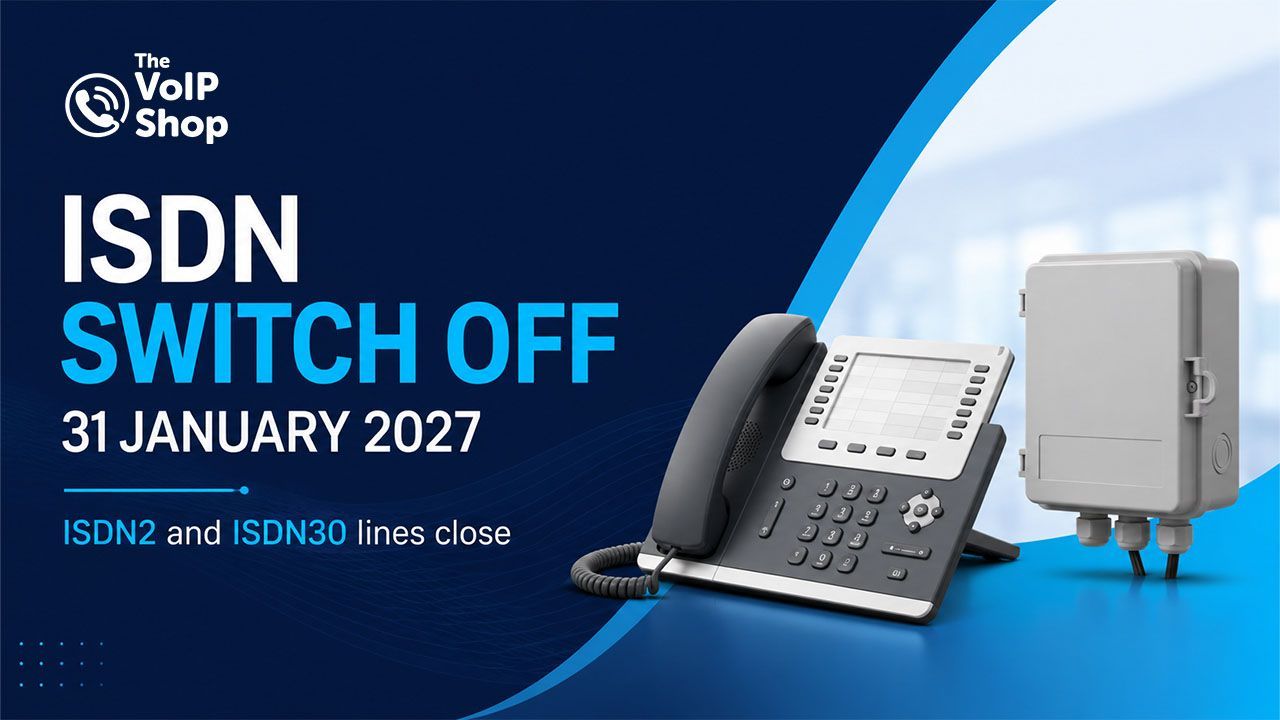
The UK's copper phone network is being permanently switched off. BT Openreach is retiring the Public Switched Telephone Network (PSTN) and Integrated Services Digital Network (ISDN) on 31 January 2027. After that date, every service running on these analogue lines will stop working.
If your business still depends on copper-based phone lines, ADSL broadband, or connected devices that dial through PSTN, you need a migration plan before the deadline arrives.
What Is the BT Switch Off?
The BT switch-off is the UK's transition from traditional copper telephone infrastructure to internet-based communication. PSTN is the analogue network that has carried UK voice calls through copper wires for over a century. ISDN is a digital layer built on top of PSTN, commonly used in offices with multiple phone lines.
Both networks are being decommissioned because the copper infrastructure is ageing, expensive to maintain, and unable to support modern communication needs. The replacement is IP-based technology, where voice calls travel as data packets over the internet.
When Is the BT Switch-Off Happening?
The confirmed deadline is 31 January 2027. BT originally planned to complete the switch-off by December 2025, but extended the timeline by 13 months to protect vulnerable customers, particularly elderly users relying on telecare pendant alarms.
Key dates to be aware of:
- September 2023: BT Openreach introduced a nationwide stop-sell. No new PSTN, ISDN, or WLR (Wholesale Line Rental) services can be ordered.
- January 2027: Full shutdown of all remaining PSTN and ISDN services across the UK.
You cannot order new analogue lines today. Any business still on PSTN or ISDN is running on borrowed time.
Who Does the BT Switch Off Affect?
The BT switch-off affects every home and business in the UK still using copper-based telephone or broadband services. The impact is not limited to BT customers. Any provider using BT Openreach's copper infrastructure is subject to the same deadline.
Businesses most at risk include those using:
- Standard analogue landlines for day-to-day calls.
- ISDN lines to power on-premise PBX phone systems.
- ADSL or FTTC broadband delivered over copper.
- Connected devices such as alarms, payment terminals, or fax machines that dial through a phone line.
What Equipment Will Stop Working After the BT Switch-Off?
The BT switch-off does not just affect phone calls. Any device connected to a copper phone line will lose functionality on 31 January 2027.
| Equipment | Why It Stops Working |
|---|---|
| Analogue landline phones | Rely entirely on PSTN copper lines |
| ADSL broadband | Delivered over copper alongside a phone line |
| Burglar and fire alarms | Many dial out over PSTN to monitoring centres |
| Lift emergency phones | Lift alarm systems often use dedicated analogue lines |
| Card payment terminals | Older PDQ machines dial through a phone line |
| Fax machines | Operate on analogue phone connections |
| Door entry systems | Some models use PSTN to call residents or staff |
| Telecare pendant alarms | Connected to copper lines for emergency signalling |
Audit every device connected to a phone socket, not just handsets. Missing a single connected device could leave a critical system offline after the deadline.
What Are the Digital Alternatives to PSTN and ISDN?
Two technologies replace traditional phone lines after the BT switch off: VoIP and SIP trunking.
VoIP Phone Systems
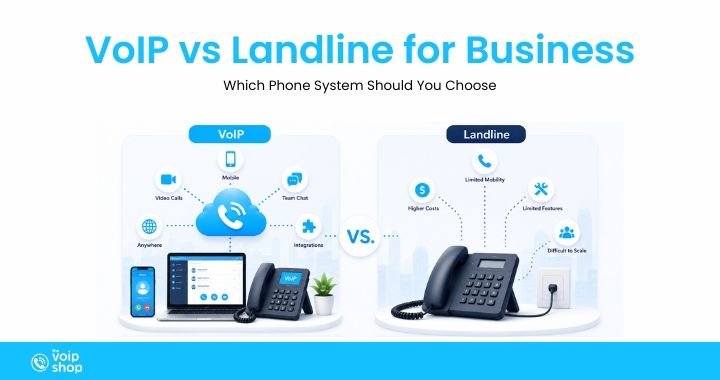
VoIP stands for Voice over Internet Protocol. A VoIP phone system routes calls over the internet instead of copper wires. Calls can be made from desk phones, laptops, or smartphones using a softphone app. VoIP offers lower call costs, better audio quality, and features like call recording, voicemail-to-email, and CRM integration.
For most small and mid-sized businesses, a cloud phone system is the simplest path forward.
Unified communications solutions bring calling, messaging, video conferencing and collaboration tools together in one platform, with no on-premise hardware to manage and the flexibility to scale as your team changes.
SIP Trunking
SIP trunking connects an existing on-premise PBX system to the digital network. If your business has already invested in a physical phone system, SIP trunking bridges the gap between your current hardware and IP-based infrastructure. SIP trunks replace ISDN lines at a lower monthly cost while letting you port your existing phone numbers across.
What Broadband Options Replace Copper Connections?
The BT switch-off also retires ADSL broadband, which relies on copper phone lines. Two alternatives are available.
FTTP (Fibre to the Premises) delivers broadband through fibre optic cables directly to your building. FTTP provides the fastest speeds available and is ideal for businesses running VoIP and cloud applications.
SOGEA broadband provides internet access without requiring a separate phone line. SOGEA is a practical upgrade for businesses currently on ADSL or FTTC, reducing cost and complexity by removing the need for traditional landline rental.
How to Prepare Your Business for the BT Switch Off
Preparing for the BT switch-off does not need to be complicated, but it needs to start now.
- Audit your lines and connected devices. Identify every PSTN, ISDN, and WLR service in use. Check phone sockets for connected alarms, payment machines, and fax lines.
- Choose your replacement phone system. VoIP suits most businesses. If you have an existing PBX, SIP trunking keeps your current setup running on digital lines.
- Upgrade your broadband. Move from ADSL to FTTP or SOGEA to support VoIP call quality.
- Port your phone numbers. Number porting lets you keep your existing numbers. Start early, as porting can take 10 to 22 working days.
- Test before the deadline. Run your new system alongside your existing setup before fully decommissioning old lines.
Watch: preparing your business for the BT switch off
What stops working when the copper network is retired, what to check first, and how the move to a cloud phone system runs without losing your numbers.
Is Your Business Ready for the UK Big Switch Off, from The VoIP Shop on YouTube
Switch to Digital Before January 2027 With The VoIP Shop
The VoIP Shop has helped thousands of UK businesses move from analogue to digital. With 15+ years of experience, UK-based 24/7 support, and a dedicated account manager for every customer, the team handles the full migration from line audit to go-live. Whether you need a cloud phone system, SIP trunking, or a broadband upgrade, a free consultation covers your options with no obligation.
Frequently Asked Questions About BT Switch Off
When is the BT switch-off happening?
The BT switch-off is confirmed for 31 January 2027. BT Openreach extended the original December 2025 deadline by 13 months to allow more time for vulnerable customer migration. After this date, all PSTN and ISDN services will permanently cease.
Can I keep my existing business phone number after the switch-off?
Yes. Number porting allows you to transfer your current business phone numbers to a VoIP or SIP trunking provider. The process typically takes 10 to 22 working days, so starting early is recommended to avoid any disruption.
Will the BT switch-off affect my broadband?
ADSL and some FTTC broadband services rely on a copper phone line, so they will be affected. Businesses on ADSL will need to move to FTTP or SOGEA broadband. Full fibre connections do not depend on copper and will continue working without interruption.
What happens if I don't switch before January 2027?
Any service still running on PSTN or ISDN after 31 January 2027 will stop working. Phone lines will go dead, ADSL broadband will disconnect, and connected devices like alarms and payment terminals will lose functionality. There is no grace period after the deadline.
Do I need new equipment for VoIP?
Not necessarily. VoIP works with IP desk phones, laptops, tablets, and smartphones using a softphone app. If you have older analogue handsets, an analogue telephone adapter (ATA) can connect them to a VoIP system as a short-term solution. Most businesses find that moving to IP phones or softphones delivers a better long-term result.
Is the BT switch-off only for BT customers?
No. The switch off affects every provider that uses BT Openreach's copper infrastructure, which includes the vast majority of UK telecoms companies. Regardless of who your current phone or broadband provider is, if the service runs over copper lines, it will be retired by January 2027.
The BT Switch Off is the perfect opportunity to audit your business costs. Is it time to move away from expensive legacy rentals? See who we rated as the best VoIP provider UK for value, support, and features this year.