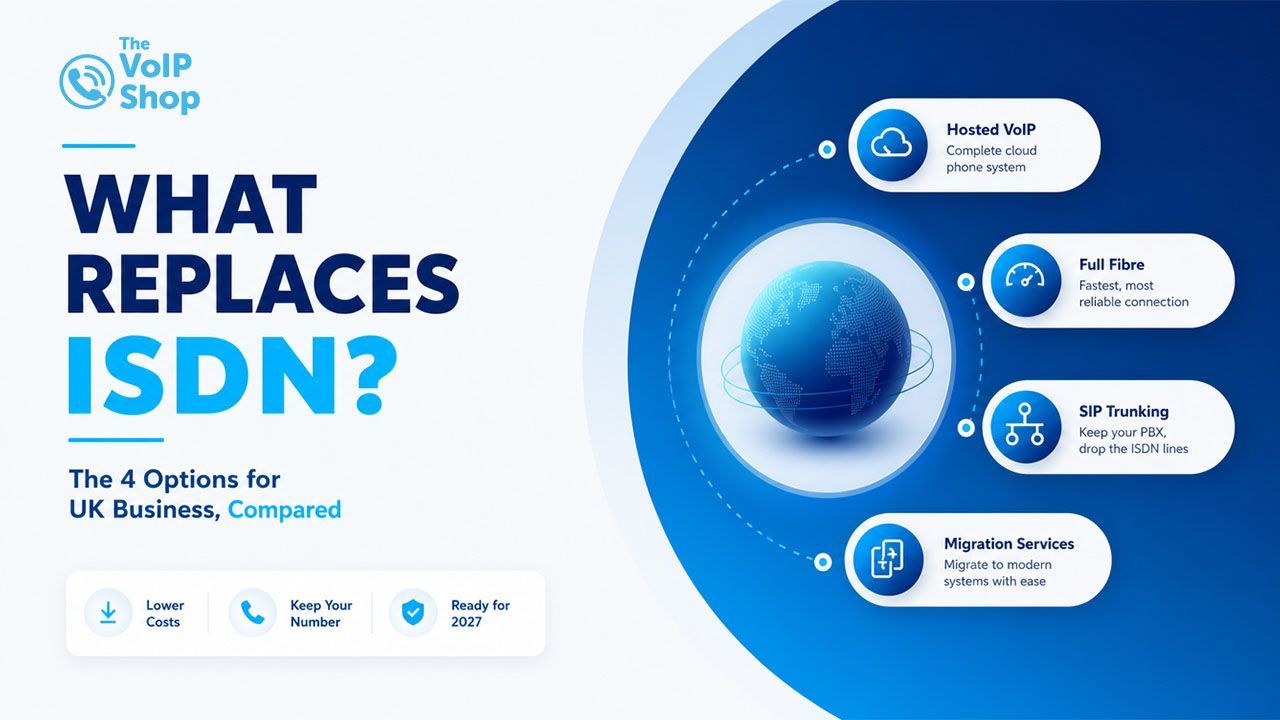
ISDN to SIP Migration: How to Switch Your Business Phone System
A Simple Step-by-Step Guide for UK Businesses
ISDN to SIP migration means moving your business phone system from old Integrated Services Digital Network (ISDN) lines to Session Initiation Protocol (SIP) trunking, which sends calls over the internet instead of copper phone lines. The UK plans to withdraw ISDN fully by 2027, so companies now need to plan their switch. Migration includes checking your current setup, reviewing broadband capacity, updating equipment if required, and moving your numbers to a SIP provider. Businesses gain lower running costs, flexible call routing, modern calling features, and one unified network for both voice and data.
After helping more than 1,000 UK businesses move from older phone lines to modern systems, we built this guide from the questions firms ask most and the issues we solve daily.
20+ years in UK Telecom Last updated: December 2025
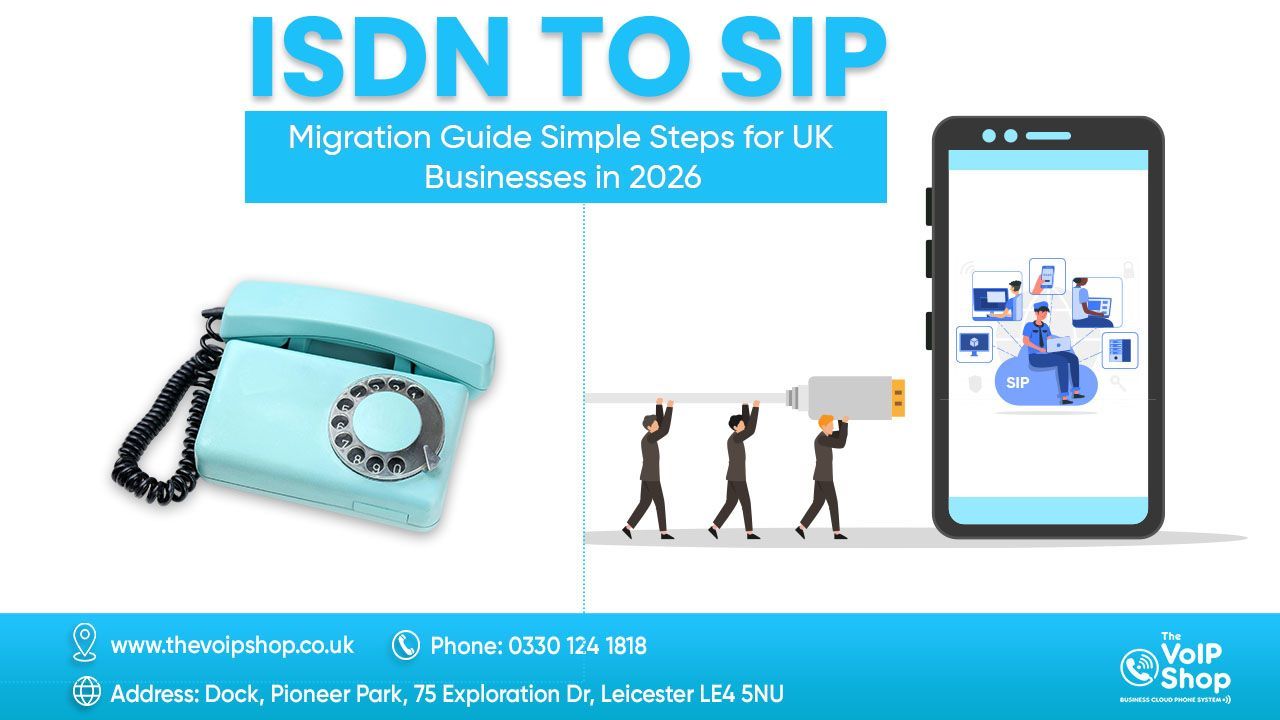
Key Takeaway - for ISDN to SIP
- ISDN runs on old copper lines and is being withdrawn in the UK.
- SIP sends calls over an internet connection and supports modern features.
- Migration needs a clear plan, system check, and broadband review.
- Number porting keeps your existing business phone numbers.
- Firms usually save money and gain flexible call routing after moving to SIP.
- Early planning avoids delays as the ISDN switch-off deadline gets close.
What Is ISDN to SIP Migration?
The change from ISDN to SIP marks the shift from copper-based telephony to an internet-driven calling system.
- ISDN delivers voice through fixed lines.
- SIP routes calls using an internet connection.
This change allows businesses to gain new features, lower bills, and a flexible setup that works from offices, homes, and any mobile device.
Learn how modern internet telephony works in our simple VoIP guide (What Is VoIP?) →
Why UK Firms Must Switch From ISDN to SIP Now?
BT Openreach stopped selling ISDN lines, and full withdrawal is scheduled for 2027. Waiting too long may lead to:
- Delay in number porting
- Last-minute support queues
- Risk of service disruption
- Higher short-term migration pressure
See the full PSTN switch-off update to understand how this affects your business →
Key Advantages of Moving From ISDN to SIP
Companies moving early gain:
- Lower monthly costs
- Flexible routing options
- Quick changes through cloud management
- Support for remote and hybrid teams
- Disaster recovery setup via automatic failover
- Better call clarity with modern systems
Many UK firms already moved from ISDN. Avoid delays—book your free migration review today.
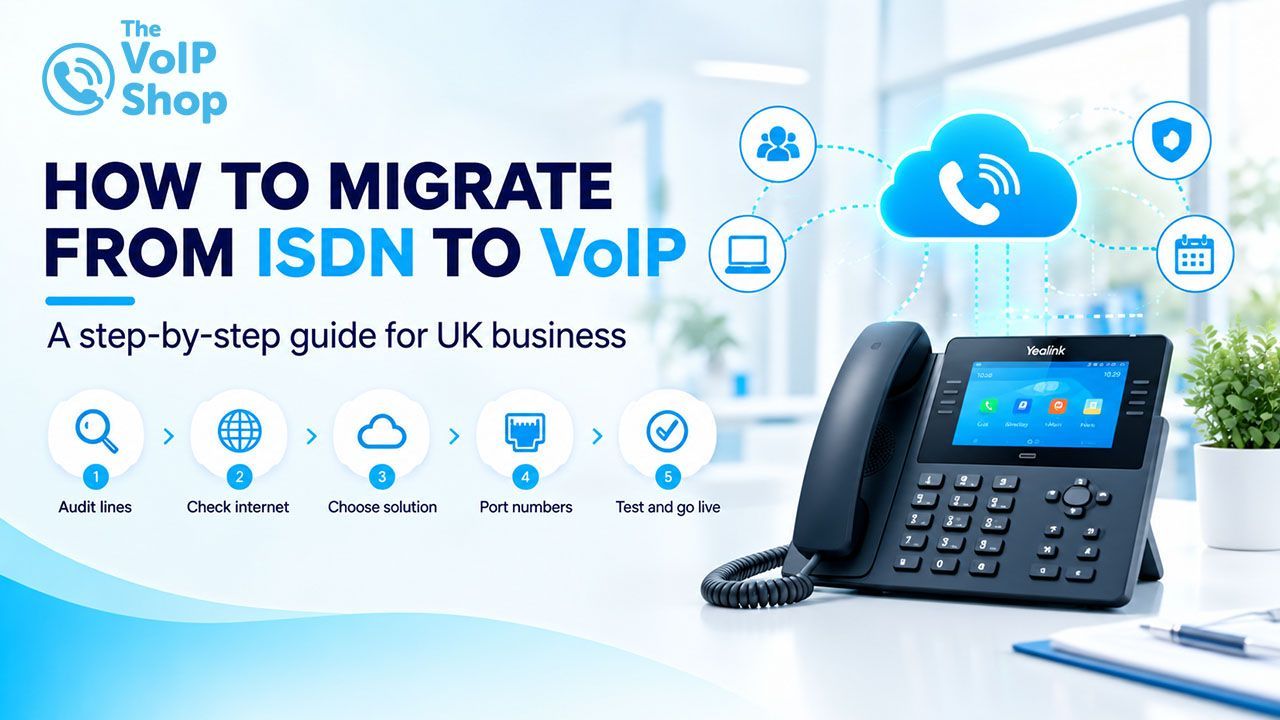
ISDN to SIP Migration in 5 Simple Steps
1. Check Your Current Phone System
Start by understanding your setup:
- How many numbers you use
- Call flow and groups
- Desk phones or softphones
- Broadband quality and stability
- Hardware compatibility
- Future hiring plans
Read our guide to choosing a business VoIP phone system for a smoother upgrade →
2. Plan a Clean Migration Path
A good plan avoids major issues.
Key points include:
- Porting dates
- System downtime windows
- Team communication
- Equipment changes
- Backup routes for calls
3. Install and Configure Your SIP System
Your provider usually handles:
Learn more about our SIP trunking services for UK companies →
4. Run Complete Testing
Before going live, test:
- Outbound calling
- Inbound numbers
- Call queues and menus
- Failover routes
- Voicemail
- Call quality
Testing prevents issues after the final switch.
5. Go Live With Your New Setup
When porting completes, your SIP system activates.
- Your team can use the new features immediately.
- Your provider monitors the system for stability, call routing performance, and user access.
Moving day should be simple. Speak with our UK team for free advice before you switch.
ISDN to SIP Migration Checklist
Use this quick list to ensure nothing is missed:
- Review devices and extension needs
- Confirm broadband performance
- Check number porting steps
- Update your PBX if required
- Set call routing rules
- Create backup routes
- Test before going live
Costs to Expect During Migration
Typical costs include:
| Cost Item | Details |
|---|---|
| SIP Channels | Your provider will quote based on call volume needs |
| PBX Upgrades | If your current system is incompatible |
| Network Routers | Required if equipment is old or insufficient |
| Number Porting | Many UK providers waive this fee |
| Optional New Phones | Modern handsets with enhanced features |
Many firms end up spending less each month than they did with ISDN.
Most businesses cut monthly phone bills by up to 60% after switching. Request a free cost comparison.
Common Problems and Simple Fixes During Migration
- Poor call quality: Often solved by adjusting router settings or traffic rules.
- Porting delays: Caused by incorrect line details—check records early.
- Device issues: Older phones may need adapters.
- Bandwidth limits: Increasing speed or adding a backup line fixes this.
Why Choose The VoIP Shop for Your ISDN to SIP Migration?
Our team supports small and mid-sized firms across the UK with:
- 10+ years of experience
- Assured on the NHS Advanced Telephony BPF
- 24/7 UK-based support
- Dedicated migration managers
- Rated 5.0 on Google from 225+ reviewsWe help companies stay running without stress during the switch.
Ready to Switch from ISDN to SIP?
Our migration experts are ready to help. Get a free consultation and custom migration plan today.
Conclusion
ISDN is nearing its final years, and companies relying on old lines will need to make the change. SIP provides a modern communication setup that suits hybrid teams and supports future growth. A solid plan ensures a smooth move without downtime.
With the right provider guiding each step, your business gains a stable, flexible, and cost-friendly system. Don't wait until the last minute—contact us today for your free migration review and take the first step towards a modern phone system.
FAQ About ISDN to SIP
What happens to my numbers when I switch from ISDN to SIP?
Your numbers move with you through porting. You keep all numbers and routing. Number porting is a standard process that your provider will manage, ensuring no breaks in your service.
How long does the migration take?
Most small firms finish within a few days. Porting may take 1–10 working days depending on your current provider and network. We'll provide a detailed timeline during your migration planning phase.
Can I keep my existing handsets?
Many phones work with SIP using an adapter or firmware upgrade. We'll assess your current equipment during the planning phase and recommend the most cost-effective path forward.
Do I need fast broadband for SIP?
Each call requires around 100kbps. A stable line matters more than high speeds. We'll review your broadband performance and recommend upgrades if needed during the assessment phase.
Is SIP secure?
Yes. Encryption, firewall rules, and provider-level controls protect your system. Our SIP infrastructure uses enterprise-grade security standards and is regularly audited for compliance.
Will SIP save my business money?
Many firms reduce monthly costs because SIP removes line rental and offers better call bundles. Most of our customers report savings of 30-60% on their monthly phone bills after switching.