PBX VS VOIP
PBX vs VoIP: Key Differences and Which Phone System Is Right for Your Business
If you're comparing phone systems for your business, the PBX vs VoIP debate is one you'll come across quickly. Both options handle calls, voicemail, and call routing. But the way each one works, what you'll pay, and how easily you can grow with the system are very different.
With the UK's PSTN switch-off already underway, traditional landline-based systems are on borrowed time. Understanding the differences between PBX and VoIP will help you make a confident decision about your next phone system.
What Is a PBX Phone System?
A Private Branch Exchange (PBX) is a private telephone network used within a business. A traditional PBX phone system connects all the desk phones in your office using physical phone lines and on-site hardware like servers, switches, and routers.
PBX allows employees to call each other internally using short extensions rather than full phone numbers. External calls route through shared landlines, so you don't need a separate line for every phone in the building.
How a Traditional PBX Works
The system sits on your premises and connects to the Public Switched Telephone Network (PSTN) through copper lines or Primary Rate Interface (PRI) circuits. Your IT team manages the hardware, handles maintenance, and configures call routing, voicemail, and extensions manually.
Adding new lines or extensions means installing additional hardware, which takes time and adds cost.
What Is VoIP?
VoIP stands for Voice over Internet Protocol. Rather than sending voice signals through copper wires, VoIP converts your voice into digital data packets and sends them over the internet.
A
VoIP phone system can work through IP desk phones, desktop apps, or mobile apps. You don't need a traditional phone line at all. As long as you have a stable internet connection, you can make and receive business calls from anywhere.
How VoIP Works
When you speak into a VoIP-enabled device, your voice is digitised, compressed, and sent as data packets across your broadband connection. At the other end, those packets are reassembled into audio. Modern VoIP delivers call quality that matches or exceeds traditional landlines.
PBX vs VoIP: A Side-by-Side Comparison
The table below highlights the core differences between traditional PBX and VoIP systems.
| Factor | Traditional PBX | VoIP |
|---|---|---|
| Connection | Uses PSTN landlines or PRI circuits | Uses your internet connection |
| Setup cost | High (hardware, installation, wiring) | Low (IP phones or software only) |
| Monthly running cost | Higher (line rental, maintenance, licences) | Lower (subscription per user) |
| Scalability | Requires new hardware and phone lines | Add users through your online portal |
| Call features | Basic (call forwarding, voicemail, extensions) | Advanced (video, mobile apps, CRM integration, analytics) |
| Maintenance | Managed in-house by your IT team | Managed by your provider |
| Remote working | Limited to the office | Work from anywhere with internet access |
| Reliability | Not dependent on the internet, but vulnerable to power cuts | Dependent on internet quality, with failover options available |
Where VoIP Outperforms PBX
VoIP holds a clear advantage over traditional PBX in several areas that matter most to growing UK businesses.
Lower Cost to Set Up and Run
A traditional PBX requires a significant upfront investment in hardware, cabling, and professional installation. Ongoing costs include line rental, maintenance contracts, and software licences.
VoIP removes most of that. You pay a monthly subscription per user, and your provider handles the infrastructure. A
cloud phone system can typically reduce communication costs by 30 to 50 per cent compared to a traditional setup.
Easier to Scale
Growing a PBX system means ordering new hardware, running cables, and scheduling engineer visits. With VoIP, adding a new user takes minutes. You assign a number, configure call routing online, and the new team member is ready to go.
Better Features Out of the Box
Most VoIP plans include features that PBX systems either can't offer or charge extra for. You'll get video conferencing, call recording, voicemail-to-email, CRM integration, real-time call analytics, and mobile apps as standard on many plans.
Built for Remote and Hybrid Working
PBX ties your phone system to a physical office. VoIP frees your team to take calls from home, a client site, or while travelling. A
hosted phone system gives every employee a consistent business number and full access to call features, regardless of location.
Where PBX Still Has a Role
PBX systems aren't without merit. For large organisations with dedicated IT teams, existing PBX infrastructure, and a preference for on-site control, a traditional or IP PBX can still make sense.
PBX doesn't depend on your internet connection for call quality, which can matter in locations with unreliable broadband. You also retain full control over the hardware and data, which some industries require for compliance reasons.
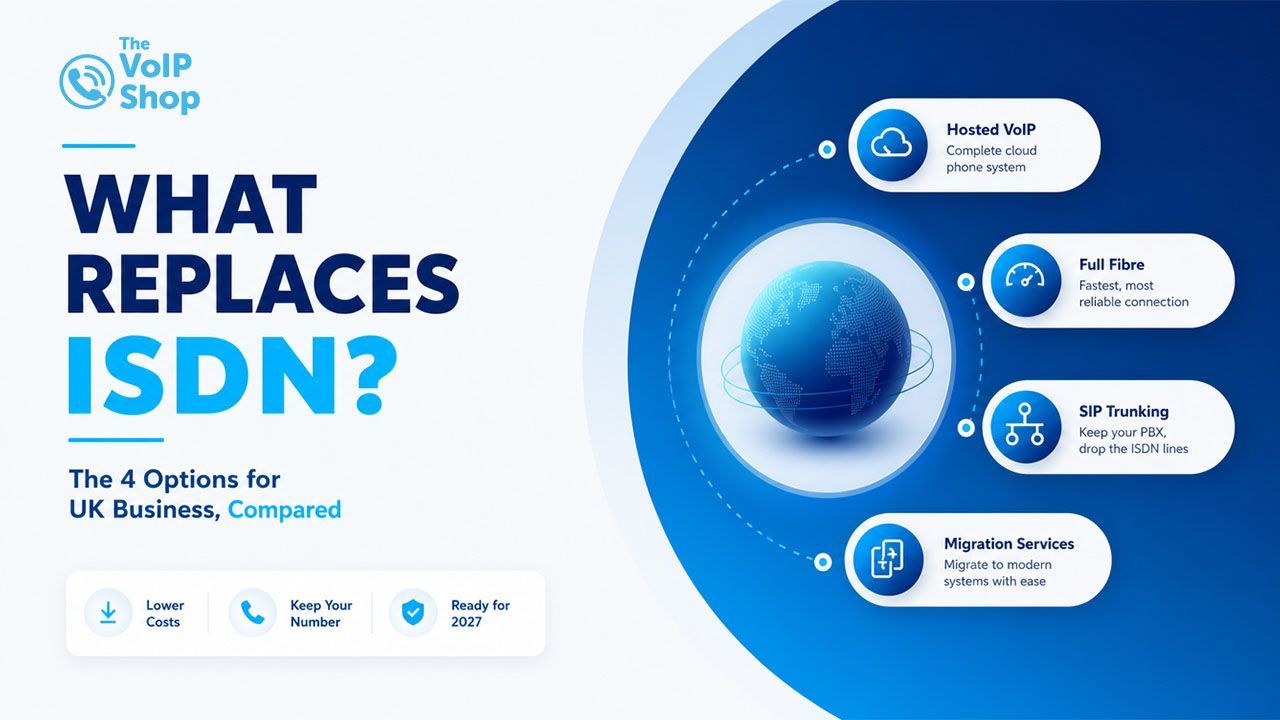
However, hybrid options exist. Businesses with an existing PBX can connect to VoIP networks through
SIP trunking, gaining internet-based calling without replacing everything at once.
Which Phone System Is Right for Your Business?
The right choice depends on your budget, team size, and how your staff works day to day.
Choose VoIP If You Want Flexibility and Lower Costs
VoIP suits small and medium-sized businesses that want a phone system without a heavy upfront investment. You also benefit if your team works remotely, across multiple locations, or needs access to advanced features like call analytics and CRM connectivity.
Consider PBX If You Need On-Site Control
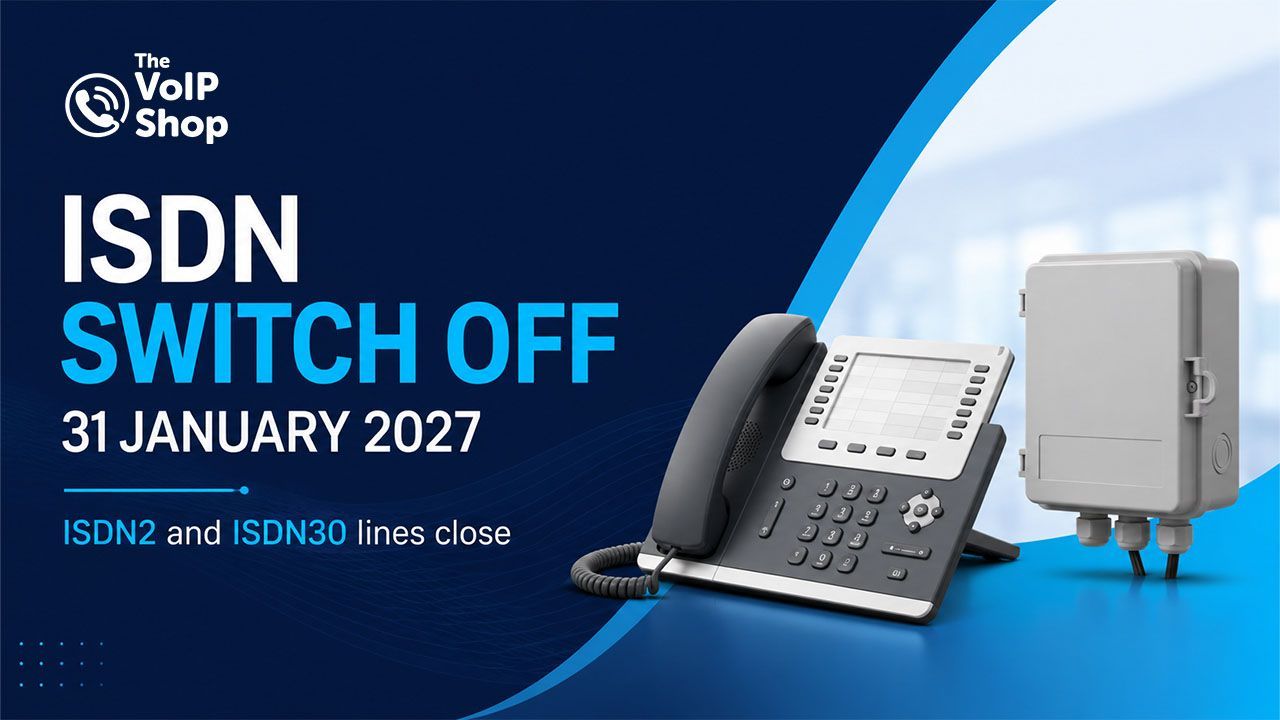
A PBX might suit you if your business has a large IT department, strict data residency requirements, and no plans to support remote working. Keep in mind that the ongoing PSTN switch-off means traditional landline connections are being retired across the UK, so even PBX systems will eventually need to move to IP-based connectivity.
For most UK businesses today, VoIP offers the best balance of cost, features, and future readiness. A
business phone system built on VoIP can grow with you, connect your team wherever they are, and integrate with the tools you already use.
Get Your Business on the Right Phone System with The VoIP Shop
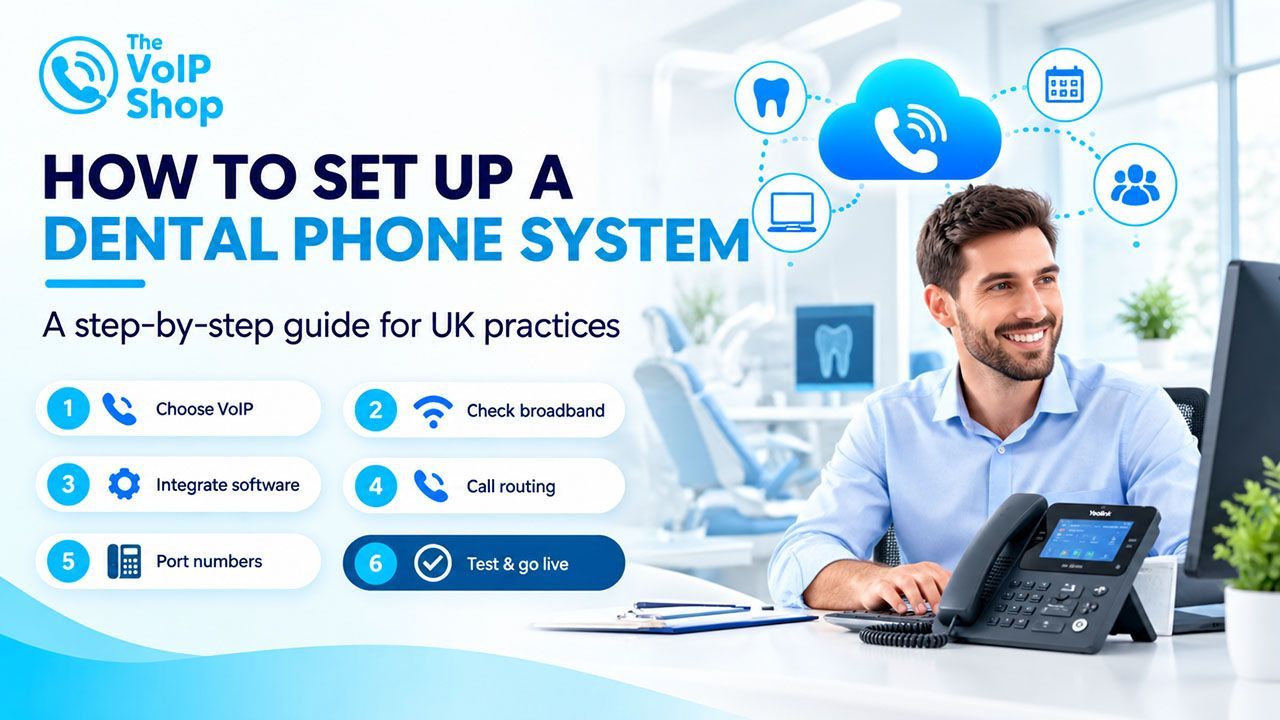
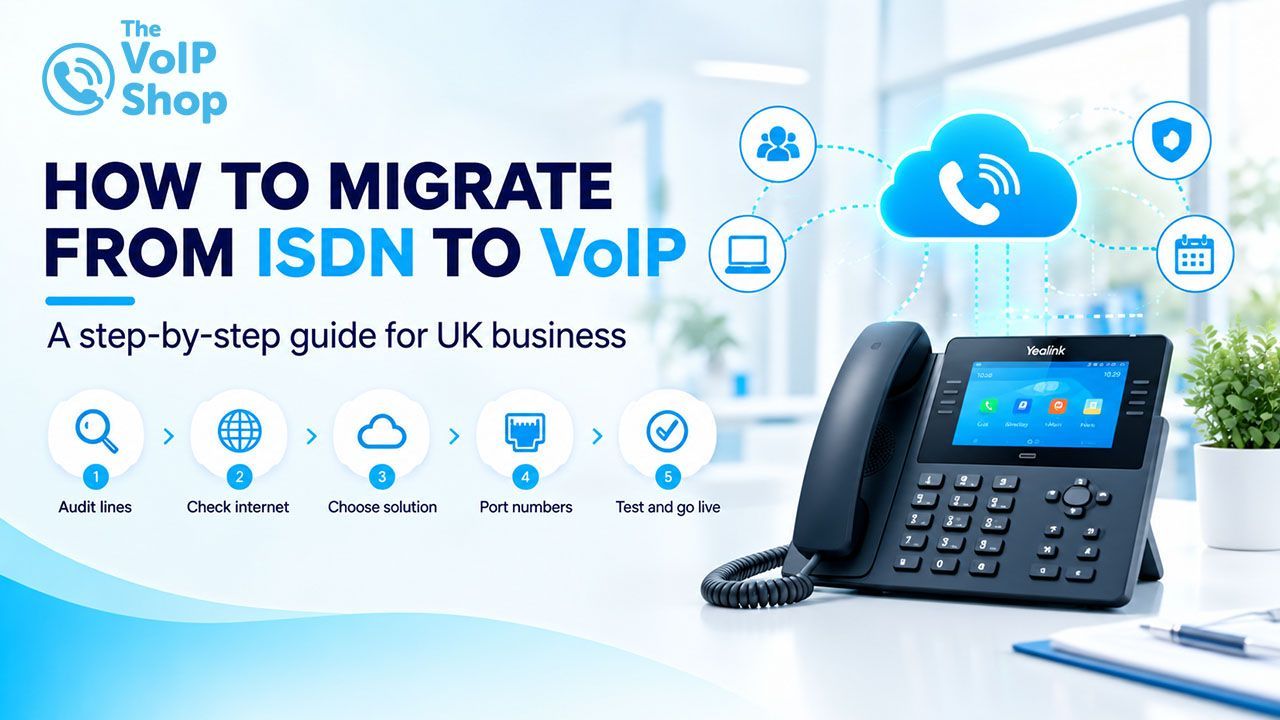
Choosing between PBX and VoIP doesn't have to be complicated. The VoIP Shop has spent over 15 years helping UK businesses move to modern phone systems, with free onboarding, UK-based 24/7 support, and a dedicated account manager for every customer. Whether you're switching from a legacy PBX or setting up your first cloud phone system, our team will walk you through every step and make sure the transition is smooth.
FAQs
Can I keep my existing phone numbers if I switch from PBX to VoIP?
Yes. Most VoIP providers, including The VoIP Shop, support number porting. Your existing business numbers transfer to the new system so customers and contacts continue reaching you on the same number.
Do I need special equipment to use VoIP?
You need a stable broadband connection and either IP desk phones, a desktop app, or a mobile app. No on-site servers or telephone exchange hardware are required with a hosted VoIP solution.
What happens to my VoIP phone system if the internet goes down?
If your connection drops, calls can be automatically forwarded to a mobile number or voicemail. Many providers also offer failover options using 4G or 5G backup connections to keep your lines open.
Is VoIP call quality as good as a traditional landline?
On a stable broadband connection, VoIP call quality matches or exceeds traditional landlines. Many VoIP systems now support HD voice, which delivers clearer audio than older phone lines.
What is SIP trunking, and how does it relate to PBX and VoIP?
SIP trunking is a technology that connects an existing PBX system to the internet, allowing it to make VoIP calls without replacing all the on-site hardware. SIP trunking acts as a bridge between older PBX setups and modern IP-based networks.
How long does it take to set up a VoIP phone system?
Setup times vary, but a hosted VoIP system can often be configured and operational within a few days. The VoIP Shop includes free onboarding to handle the technical setup for you.