voip vs landline
VoIP vs Landline Cost in 2026: Real Pricing Breakdown for UK Businesses
If your business phone bill has been creeping up and you are not sure why, you are not alone. Thousands of UK businesses are asking the same question: is VoIP actually cheaper than a traditional landline, or is that just a sales pitch?
The answer depends on what you are paying for today and what you actually need. Rather than throwing out vague claims, let's walk through what each option really costs and where the money goes. With the PSTN switch-off arriving in January 2027, every business still running copper phone lines will need to act soon.
What Does a Traditional Landline Actually Cost?
A traditional landline runs over the Public Switched Telephone Network (PSTN), the copper wire infrastructure that has served UK businesses for decades.
Line Rental and Call Charges
Every traditional phone line comes with a monthly line rental fee. For businesses, that fee is typically higher than residential rates, and you pay per line. A ten-person office needing multiple simultaneous calls could be paying for several lines before anyone picks up the phone.
On top of the rental, most landline providers charge per-minute rates for calls. Calls to mobiles cost more than calls to other landlines, and international calls cost more again. Businesses that make a high volume of calls often exceed their bundled allowance.
Hardware and Maintenance
Most landline setups rely on a Private Branch Exchange (PBX), a physical box installed on your premises that routes calls to individual extensions. PBX hardware carries a high upfront cost and needs regular maintenance. When something breaks, an engineer visit is usually required.
Adding new staff means installing new physical lines, which takes time and costs money. The total cost of ownership for a traditional landline system, when you add line rental, call charges, PBX maintenance, and engineer visits, is often much higher than the monthly bill suggests.
What Does VoIP Cost for UK Businesses?
VoIP, or Voice over Internet Protocol, sends calls over your internet connection instead of copper wires.
A
hosted phone system runs entirely in the cloud, so there is no PBX box in your office and no engineer visits to worry about.
Monthly Per-User Pricing
VoIP providers typically charge a flat monthly fee per user. That fee usually includes unlimited UK calls to landlines and mobiles, plus features like call forwarding, voicemail to email, and auto-attendant. There is no separate line rental.
The monthly cost varies depending on the plan you choose. Basic plans cover standard calling, while higher tiers add call recording, CRM integration, and advanced analytics. The VoIP Shop offers tiered
cloud phone system plans that scale with your business needs.
Hardware and Setup
One of the biggest cost advantages of VoIP is flexibility around hardware. Staff can use softphone apps on their laptops or mobiles at no extra hardware cost. If you prefer physical desk phones, IP handsets are a one-off purchase with no ongoing fees.
Setup is usually handled remotely by the provider. No wiring, no engineer visits. Most businesses are up and running within a few days.
VoIP vs Landline: A Side-by-Side Cost Comparison
The table below gives a general comparison of where the money goes with each option.
| Cost Category | Traditional Landline | VoIP |
|---|---|---|
| Line rental | Per-line monthly fee | No separate line rental |
| Call charges | Per-minute rates are higher for mobiles | Typically included in the monthly plan |
| Hardware | PBX system plus desk phones | Optional IP handsets or free softphone apps |
| Setup and installation | Engineer visit, physical wiring | Remote setup is usually included |
| Maintenance | Ongoing PBX maintenance contracts | Managed by the provider, included in plan |
| Adding new users | New physical line installation | Add users instantly through an online portal |
| Scaling to new locations | Requires new infrastructure | Works anywhere with an internet connection |
Across almost every category, VoIP carries lower costs. The gap widens when you factor in the features included as standard with most
VoIP phone systems, features that would cost extra on a traditional landline.
Why VoIP Costs Less Over Time
The monthly savings are only part of the picture. VoIP also reduces costs in areas that do not always show up on a single invoice.
Staff working from home or on the road can make and receive calls on their business number using a mobile app. No second phone line, no call forwarding charges. A business broadband connection is all they need.
Adding a new team member takes minutes through an online portal. No waiting for an engineer, no new wiring, no installation fee. Removing a user is just as simple, so you never pay for lines you do not use.
VoIP providers handle all system maintenance, updates, and security patches. With a landline PBX, your business is responsible for keeping ageing hardware running. Over a three to five year period, the total cost of ownership for VoIP is typically a fraction of what a comparable landline setup would cost.
The PSTN Switch-Off Changes Everything
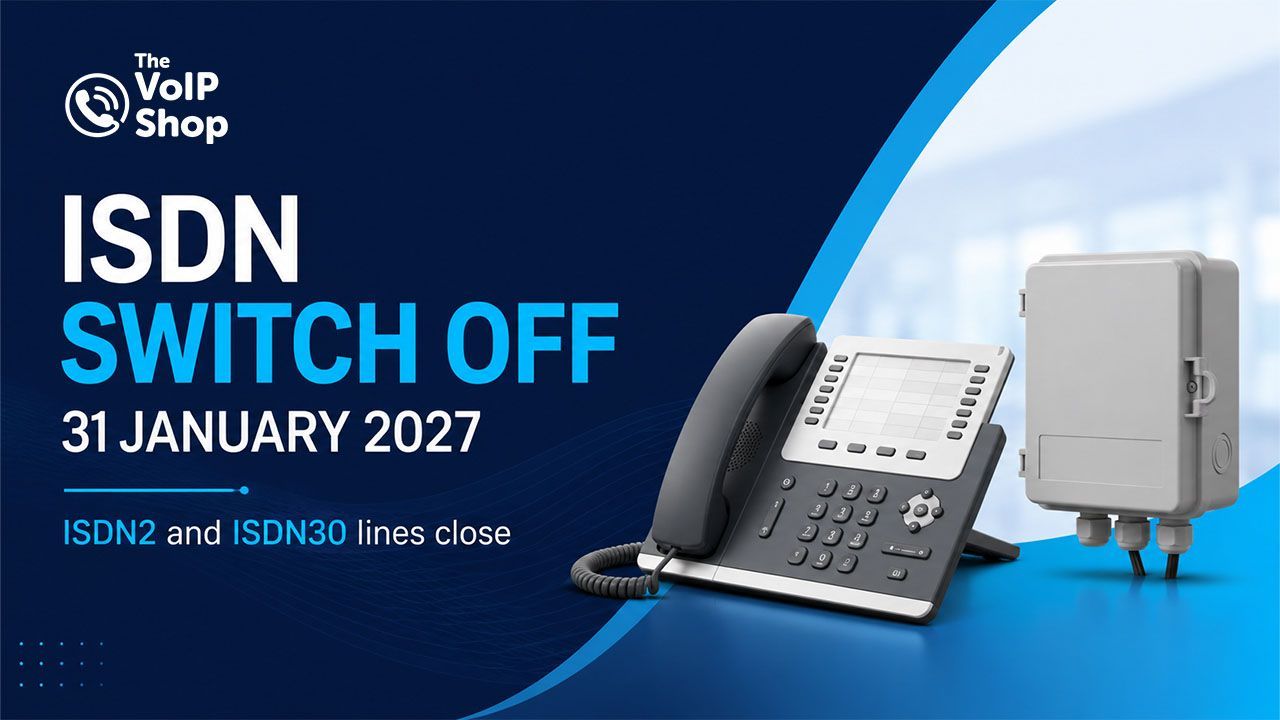
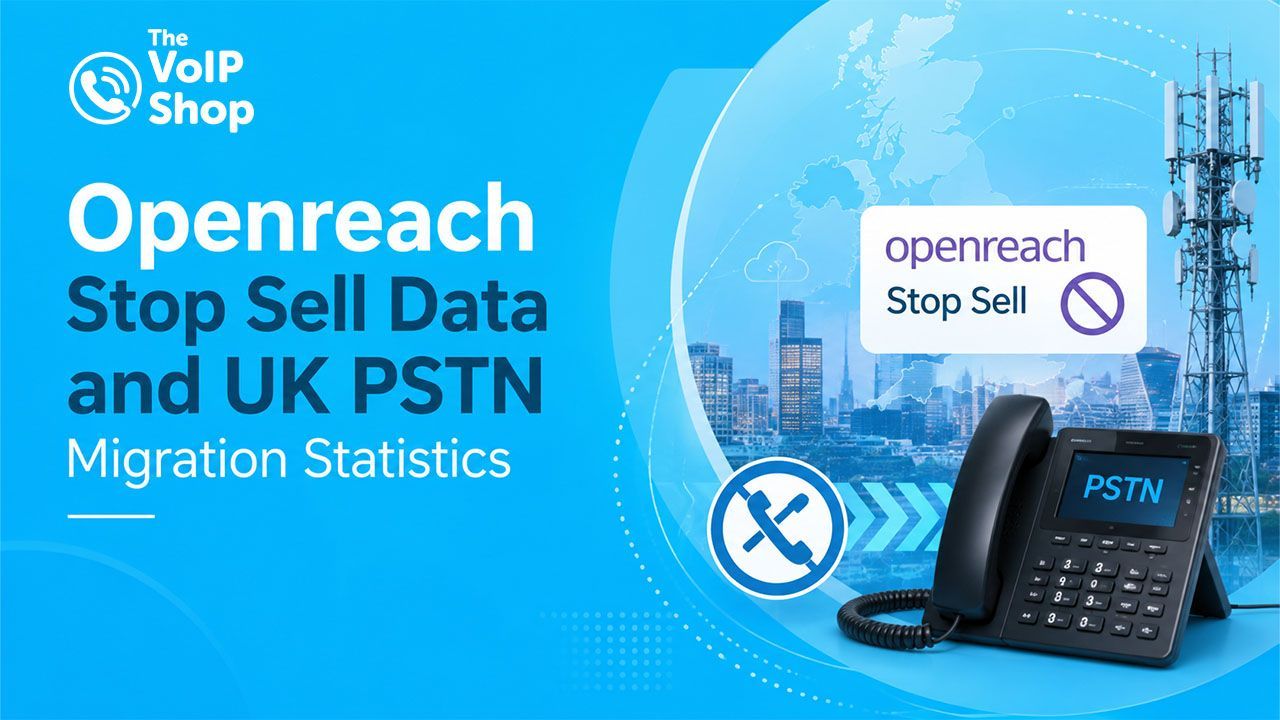
Even if you are comfortable with your current landline costs, the landscape is about to shift. The PSTN switch-off is on track for January 2027. After that date, every traditional copper phone line in the UK will stop working.
Openreach has already stopped selling new ISDN lines, and exchanges are being migrated on a rolling basis. Businesses that have not planned their move risk service interruptions.
The positive side is that migrating does not mean losing your existing phone numbers. Number porting allows you to keep the numbers your customers already know. For a detailed walkthrough, the
BT switch-off guide covers what to expect and how to prepare.
Let The VoIP Shop Handle the Numbers for You
Comparing costs on your own can be time-consuming. The VoIP Shop has spent over 15 years helping UK businesses move to cloud phone systems, and every customer gets a dedicated account manager and UK-based 24/7 support.
Whether you are replacing a single office landline or migrating a multi-site setup, the team can review your current spend and show you where the savings are.
FAQs
Is VoIP cheaper than a landline for UK businesses?
In most cases, yes. VoIP removes separate line rental fees, includes UK calls in the monthly plan, and eliminates ongoing PBX maintenance costs. The overall telecoms spend for a VoIP setup is typically much lower than a comparable landline system.
Do I need special equipment to use VoIP?
No. VoIP works on laptops, smartphones, and tablets using softphone apps. If you prefer physical handsets, IP desk phones are available as a one-off purchase. You do not need a PBX system or any on-site hardware.
Can I keep my existing phone number when switching to VoIP?
Yes. Number porting lets you transfer your current business phone numbers to a VoIP provider. The process is handled by the provider, and your numbers continue working without interruption.
What happens to my landline after the PSTN switch-off in 2027?
Traditional copper phone lines will stop working when the PSTN is switched off in January 2027. Businesses still using landlines at that point will need to move to a digital alternative like VoIP to keep making and receiving calls.
How reliable is VoIP compared to a traditional landline?
VoIP over a stable broadband connection is highly reliable. Modern hosted systems include built-in redundancy and failover routing. Call quality on VoIP often exceeds traditional landlines thanks to wideband audio technology.
How quickly can a business switch from a landline to VoIP?
Most businesses can be fully set up on VoIP within a few days if using new numbers. If porting existing numbers, the process typically takes five to ten working days. The switch is managed remotely with no disruption to daily operations.