Port A Phone Number Away From BT
How To Port A Phone Number Away From BT: UK Small Business Guide
Your business phone number is a key asset built on customer trust — tied to your customers, marketing, and brand. The good news is you can keep it when switching providers. In the UK, number porting is a legal right protected by Ofcom, and with One Touch Switch (introduced in September 2024), your new provider handles most of the process.
With the 2027 PSTN switch-off approaching, businesses using BT landlines will need to move to VoIP. If done correctly, your number transfers seamlessly. If not due to incorrect details or early cancellation it can cause delays or loss of the number.
The process follows a clear set of steps:
- Choose a new provider — must support UK geographic number porting
- Gather your BT account details — exact name, address, account number
- Authorise the transfer — sign the LOA
- Submit the port request — handled by your new provider
- Confirm the porting date — prepare your system
- Go live — your number moves to the new system
Your existing provider typically doesn’t charge to release the number, but your new provider may apply setup or porting fees. No PAC code is needed this is handled directly between providers.
Why Are Small Businesses Leaving BT Right Now?
Before getting into the how, it's worth understanding the why - because the reasons matter when choosing your next provider.
Cost is the most common driver. BT's business line rental and call packages are consistently among the most expensive in the UK market. A typical small business on BT's standard business broadband and phone bundle pays £40–£70 per month for a service that many VoIP providers replicate - or improve on - for £10–£25 per month.
The 2027 PSTN switch-off is the other major catalyst. BT will permanently retire the UK's copper-wire telephone network on 31 January 2027. Any device relying on a traditional phone line - analogue phones, ISDN systems, fax machines, ADSL broadband, and some alarm systems - will simply stop working. Businesses on legacy lines have no choice but to migrate. Doing it now, proactively, is far better than scrambling in 2026 alongside millions of other businesses.
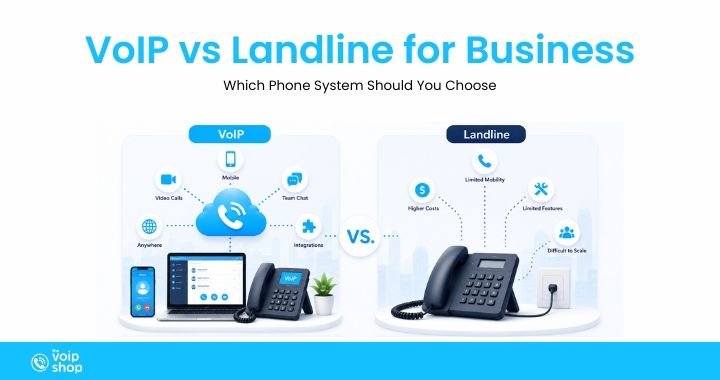
Better features at a lower cost are a powerful pull factor. Modern VoIP and hosted telephony providers offer capabilities that BT charges a premium for - or simply doesn't offer - as standard:
| Feature | Typical BT Business | Typical VoIP Provider |
|---|---|---|
| Voicemail to email | Paid add-on | Usually included |
| AI Services | Paid add- on | Usually included |
| Call recording | Not standard | Usually included |
| AI Receptionist | Not standard | Paid add- on |
| Mobile app calling | Limited | Standard |
| Virtual receptionist / IVR | Paid add-on | Usually included |
| Call queuing | Paid add-on | Usually included |
| Multiple simultaneous calls | Limited by line count | Virtually unlimited |
| Remote / home working | Not designed for it | Built for it |
| Contract length | Typically, 24 months | Often monthly rolling |
Flexibility is increasingly non-negotiable. Cloud phone systems route calls over your broadband connection, not a physical copper line. Your team can take business calls from anywhere - office, home, or on the road - all on the same number. For the millions of UK businesses operating with hybrid teams, this is genuinely transformative.
Across the UK, millions of small businesses rely on their phone number to build long-term customer trust. As more providers offer flexible and cost-effective VoIP solutions, many are now moving away from traditional BT services.
Compare Modern Alternatives to BT
See typical costs, features, and differences before you switch
Can You Port Your BT Number? Check This First
Not every number can be ported, and not every situation is straightforward. Before you do anything else, run through this eligibility check.
Numbers That Can Typically Be Ported
| Number Type | Examples | Notes |
|---|---|---|
| Geographic numbers | 01xxx, 02xxx | Straightforward in most cases |
| Non-geographic numbers | 03xxx | Generally portable without issue |
| 0800 freephone | 0800 xxxxxxx | Portable, but usually incurs ~£45+VAT fee |
| Previously ported numbers | Any of the above | Portable again, may take slightly longer |
Numbers That Can Cause Complications
| Situation | What It Means for Porting |
|---|---|
| Number bundled with BT broadband | May need to restructure or cancel the bundle first |
| BT Cloud Phone / Cloudphone | Portable, but process is more complex - ask your new provider |
| Number linked to BT Redcare alarm | Alarm line must be separately arranged before porting |
| Number on ISDN range | All numbers in the range may need to port together |
| Number currently inactive or suspended | Must be live and routing calls before it can be ported |
The golden rule:
Never cancel your BT service before the port is complete. If the number goes dead, it can no longer be ported - and you will lose it permanently. Keep your BT line fully active until your new provider confirms the transfer has gone through.
Check If Your Number Can Be Ported
Most numbers can transfer — confirm your setup in seconds
Step-by-Step: How to Port Your Number Away From BT
Step 1 - Choose Your New Provider
Your new provider (called the Gaining Provider or GP) manages the porting process on your behalf. This means you typically don't need to fight through BT's cancellations department - your new provider does the work.
If you're looking for a starting point, The VoIP Shop is a UK-based VoIP provider rated 5/5 on Google by over hundreds of verified business customers and independently recognised as the Best Overall VoIP Provider for UK SMEs. They handle number porting from BT as part of every setup - managing the paperwork, the submission, and the timeline on your behalf, with no technical knowledge required on your end. You can find out more at thevoipshop.co.uk.
When comparing providers, ask:
Step 2 - Gather Your Information
This is where most small businesses trip up. Port rejections are overwhelmingly caused by incorrect or mismatched details. BT's systems are strict - even a minor discrepancy between what you submit and what BT holds on record will get your request rejected immediately.
Here's what you'll need:
| Information Required | Where to Find It | Common Pitfall |
|---|---|---|
| Phone number(s) to port | Your BT bill | Double-check the exact format including the full dialling code |
| BT account number | Top of your BT invoice | Sometimes differs between products - use the one matching your phone service |
| Exact legal business name | As shown on your BT account | "Ltd" vs "Limited", "&" vs "and" - must be exact |
| Service address and postcode | As held by BT, not your current address | If you've moved, BT may still hold your old address |
| Main Billing Number (MBN) | Your BT bill - the primary line on the account | This may not be the number you want to port |
| Recent BT invoice | Your email or online BT account | Some providers require this as supporting documentation |
Pro tip: Before completing any forms, call BT and ask them to confirm exactly how your business name, address, and account number appear in their system. Small differences - a missing comma, an abbreviated street name, an old postcode - are the single biggest cause of port failures. Copy their exact wording onto every form.
Step 3 - Complete the Letter of Authority (LOA)
Your new provider will give you a Letter of Authority to complete. This gives them formal permission to request the number transfer on your behalf.
The LOA must be:
Step 4 - Your New Provider Submits the Port Request
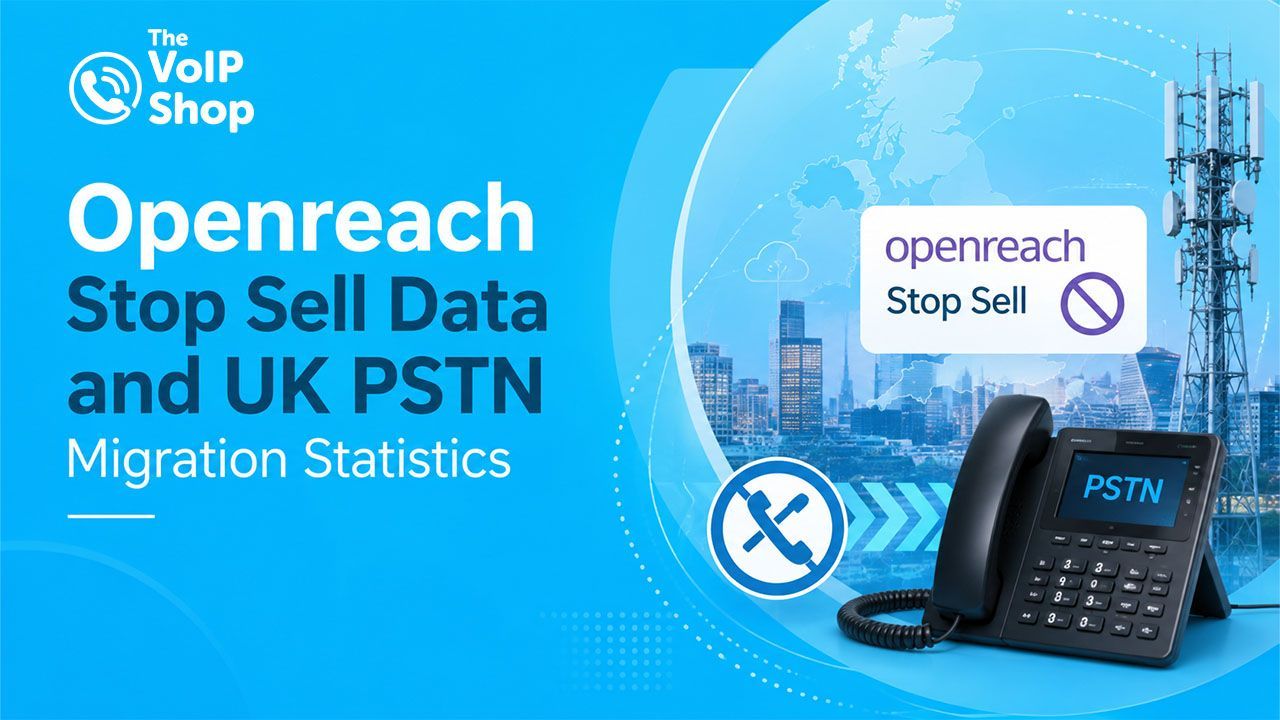
Once you've returned the LOA and any supporting documents, your new provider sends a Number Port Order Request (NPOR) to BT Openreach, who handles the technical infrastructure side of the transfer.
BT then validates the request against their records. This stage typically takes
two to five business days. They will either:
If rejected, your new provider should notify you promptly and work with you to correct and resubmit. The most common rejection reasons are covered in the next section.
Step 5 - Confirm Your Porting Date
Once approved, a porting date is agreed. For standard geographic numbers (01/02 prefixes), the actual cutover typically happens
between 11am and midday on the agreed date.
A few things to have in place before that date:
Step 6 - The Transfer Goes Live
On porting day, calls to your old BT number begin routing through your new system. In most cases, this is completely seamless - your customers call the same number as always, and the call connects normally. Around 95% of ports are completed without any interruption to service.
Once your new provider confirms the port is complete and you've tested a few calls, you can contact BT to cancel whatever remaining services you no longer need. When a number ports from a fixed telephone line, the original line is usually ceased — meaning any associated services like broadband or voicemail will also be ceased.
See How the Process Works
Understand how porting applies to your setup before you begin
Why Port Requests Get Rejected (And How to Fix Each One)
Port rejections add days or weeks to the process and are almost always preventable. Here's the complete breakdown:
| Rejection Reason | Why It Happens | How to Fix It |
|---|---|---|
| Mismatched business name | "Ltd" vs "Limited", capitalisation, punctuation differences | Call BT, confirm exact name on record, use it verbatim on all forms |
| Wrong address or postcode | BT may hold your old address from years ago | Confirm with BT exactly which address is linked to the number |
| Incorrect Main Billing Number | MBN isn't always the number being ported | Check your BT bill carefully or call BT to confirm |
| Number not in service | Inactive or suspended numbers can't be ported | Restore the line to full activity before submitting |
| BT Redcare or alarm attached | Security services must be handled separately first | Contact your alarm company before initiating the port |
| Number is part of an ISDN range | Ranges often need to port together | Discuss with your new provider - may need to port the full range |
| Outstanding contract | BT may flag early termination charges | Review your contract; charges may apply but the port can still proceed |
| Incomplete LOA | Missing fields or outdated form version | Use the current form, fill everything in, re-sign and resubmit |
Losing a long-established business number can impact customer trust and lead to missed enquiries. Even small errors during the porting process can result in delays or failed requests.
How Long Does Number Porting Take?
Here's a realistic timeline for a standard small business port from BT:
| Stage | Typical Timeframe | What's Happening |
|---|---|---|
| Paperwork and submission | Days 1–3 | You complete the LOA; new provider submits the NPOR to Openreach |
| BT validation | Days 3–8 | BT checks details against their records; approves or rejects |
| Porting date agreed | Days 8–15 | Cutover date confirmed; new system set up and tested |
| Port goes live | Day 14–21 | Transfer completes; calls route through new system |
| BT cancellation | After port confirmed | You contact BT to cancel remaining services |
Complex ports - ISDN multi-line setups, numbers with attached services, or previously rejected applications - can take longer. Always get a specific timeline from your new provider based on your exact setup before committing to a switchover date.
See Your Expected Timeline
Timelines vary — get a realistic estimate based on your setup
One Touch Switch: The Simpler Way to Switch Since September 2024
Since 12 September 2024, a process called One Touch Switch (OTS) has been in place for UK broadband and landline switching, introduced by Ofcom to make switching faster and less stressful.
Under OTS:
If you want to keep your existing number, tell your new provider upfront when you enquire. Under Ofcom's general porting rules, you can also reclaim a number within one month of a cancelled BT service, free of charge, as long as you request before a new provider takes it on.
One Touch Switch makes the process significantly less adversarial than it used to be - but it doesn't remove the need for accuracy on your paperwork. The detailed requirements are identical.
The 2027 PSTN Switch-Off: Why You Should Act Sooner Rather Than Later
This deserves its own section because it affects every UK business still on a traditional landline.
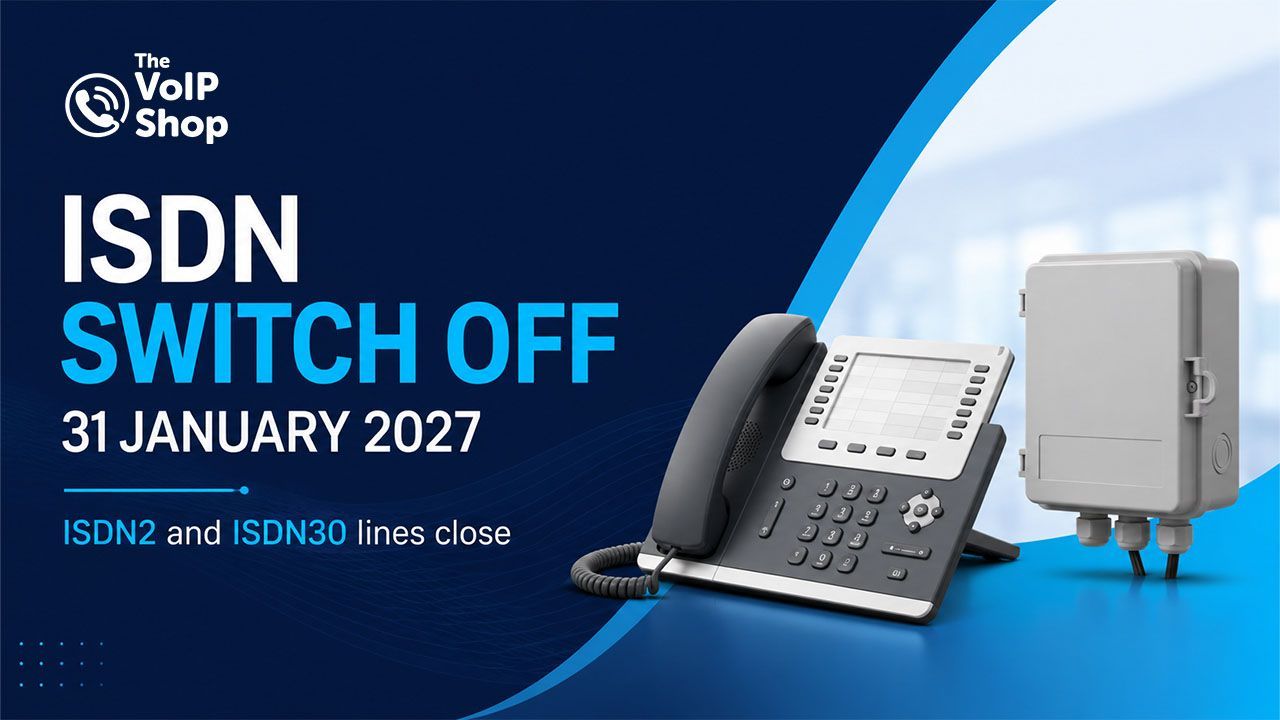
31 January 2027 is the date BT permanently shuts down the PSTN (Public Switched Telephone Network) and ISDN infrastructure - the copper-wire network that has underpinned UK communications for over a century. This date is confirmed by both BT and the UK Government on GOV.UK.
After that date, anything relying on the old copper network will stop working. For small businesses, the impact can be wide-reaching:
| Device or Service | At Risk After January 2027? |
|---|---|
| Traditional analogue desk phones | Yes - will stop working |
| ISDN phone systems | Yes - will stop working |
| broadband | Yes - must migrate to FTTC or FTTP |
| Fax machines | Yes - unless converted to eFax |
| BT Redcare burglar/fire alarms | Yes - requires separate migration |
| Card payment terminals on phone lines | Yes - must switch to broadband-based |
| VoIP phones (already cloud-based) | No - completely unaffected |
By porting your number to a modern VoIP or cloud telephony provider now, you resolve the number migration and the 2027 compliance issue in a single step. Cloud phone systems run over your broadband connection - they have no dependency on the old copper network.
Don't wait until the end of 2026. As the deadline approaches, demand for VoIP providers and porting services will surge. Businesses that act early will have more choice, more time to set things up properly, and far less risk of being rushed into a decision that doesn't suit them.
The UK’s copper phone network will be permanently switched off on 31 January 2027. Any business still using a traditional BT landline will need to migrate to a VoIP or digital system.
Your Pre-Porting Checklist
Before you contact a new provider, work through this list:
Final Thoughts: Make the Move on Your Terms
Porting your phone number away from BT doesn't have to be stressful. The process is entirely manageable when you go in with the right information, choose a provider who handles the process professionally, and pay careful attention to the details on your paperwork.
The businesses that run into trouble are almost always the ones that rush - submitting the LOA with slightly wrong account details, cancelling BT too early, or leaving everything until the final months before the 2027 deadline, when every provider in the country is under pressure. The businesses that sail through are the ones that spend twenty minutes confirming their BT account details before they fill in a single form. If you're ready to make the move, The VoIP Shop specialises in helping UK small businesses port away from BT and get set up on a modern cloud phone system — without the hassle.
Your number has been your number for years. With a little preparation, it will stay that way, just running through a much better phone system.
Check If Your BT Number Can Be Ported — In Minutes
Get a clear answer, timeline, and expert support to move your number without delays or mistakes.
Frequently Asked Questions
Will my customers notice any disruption during the port?
In most cases, no. Around 95% of ports are completed without any interruption to service. There may be a very brief null period of a few minutes during the technical cutover, but calls resume almost immediately.
Do I need to call BT to start the process?
Under One Touch Switch (launched 12 September 2024), your new provider notifies BT and manages the process entirely. You will, however, need to contact BT after the port completes to cancel any remaining services and stop line rental charges.
Can I port a number if I'm still inside a BT contract?
Yes. Ofcom's regulations mean BT cannot block a port simply because you're still in contract. They can, however, apply early termination fees. Check your contract terms and factor these costs into your switching decision.
Can I keep my number if I move premises?
Once your number is ported to a VoIP or cloud provider, yes - it travels with you regardless of your physical location. This is one of the most compelling reasons to make the switch to a cloud-based system.
What if my port request gets rejected?
Your new provider will tell you the rejection reason and work with you to fix and resubmit it. Most rejections are resolved within a few days by correcting the business name, address, or account details.
Can I port multiple numbers at once?
Yes. Many businesses port several DDI numbers simultaneously. Discuss this with your new provider when you apply - the process is similar but requires all numbers to be accurately listed on the LOA.
What about 0800 numbers?
0800 freephone numbers can be ported, but most providers charge a fee of around £45–£75 + VAT. Confirm the cost with your new provider before proceeding.